Why Fall and Spring Are the Best Seasons for Pouring Concrete in Tennessee
Weather Matters More Than Most People Think
Concrete work looks simple at first. You see wet concrete go down. You see it dry. You see a new slab or driveway. But the truth is this: weather controls almost every part of how well concrete sets and how long it lasts.
In Columbia, TN, weather shifts fast. Hot summers. Cold snaps. Humid days that feel heavy. Dry days that feel sharp. All of these things change how concrete behaves. If concrete dries too fast or too slow, it can crack, lose strength, or cure in uneven ways.
Fall and spring give the most steady weather. These seasons offer mild temperatures and fewer drastic swings. Concrete sets at a steady pace. The soil stays stable. Water levels in the ground stay balanced. All of this helps concrete form a stronger bond and reach full strength.
This post explains why fall and spring work best for concrete projects in Columbia and how the weather in Middle Tennessee shapes results.
How Temperature Affects Fresh Concrete
Fresh concrete likes balance. It needs time to cure. It needs moisture. It needs shade from harsh heat and protection from freezing cold. The ideal temperature range falls between 50°F and 80°F.
In summer, Tennessee often reaches well into the 90s. In winter, nights drop below freezing. Both extremes cause problems.
Summer Heat Creates Stress
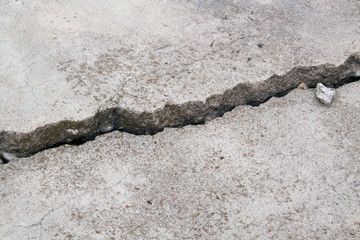
On very hot days the surface dries too fast. The top layer pulls tight before the rest of the slab settles. This creates tension that leads to cracks. The ground also dries out in heat. Dry soil pulls water from the concrete. That weakens the mix before it reaches full strength.
Concrete also gains strength too fast in summer heat. People think fast curing is good. It is not. Slow curing is stronger curing.
Winter Cold Slows Curing Too Much
Cold air slows chemical reactions inside the concrete. Concrete becomes weak when it sits in cold temperatures for too long. If the temperature drops below freezing before the concrete sets, ice forms inside the slab. Ice creates air pockets. Air pockets weaken the slab.
Fall and Spring Stay in the Sweet Spot
Columbia sees mild days and cool nights in fall and spring. These temperatures help concrete cure at a consistent rate. Consistency leads to strong slabs that resist cracking.
Humidity and Moisture Levels in Tennessee Soil
Concrete needs water during curing. The mix has its own water, but outside moisture also plays a role. The soil beneath a slab controls how much water pulls away or pushes into the concrete.
Summer Brings Heavy Humidity
Humidity looks helpful because it puts moisture in the air. But Tennessee humidity often comes with sudden storms. Heavy rain hits hot soil. Steam rises. Moisture moves fast. The ground shifts under the slab. Shifting soil creates stress that causes cracks or dips.
Winter Makes Soil Contract
When soil freezes, it shrinks. Frozen ground pulls away from the slab. As soon as temperatures rise, the soil expands again. That movement puts pressure on concrete from below.
Fall and Spring Offer Balance
The soil holds steady moisture levels. It stays firm but not dry. It stays cool but not frozen. Concrete cures on top of a stable base. A stable base means fewer issues over time.
Rainfall Patterns in Columbia, TN
Rain changes concrete work more than many homeowners think. Too little rain dries the mix too fast. Too much rain adds extra water and weakens the finish.
Summer Storms Arrive Fast
Columbia gets sudden thunderstorms in summer. These storms drop heavy water with little warning. Fresh concrete cannot handle that. Rain dents the surface. It changes the water-to-cement ratio on top. That weakens the slab.
Winter Rain Causes Freezing Risks
Cold rain in winter brings worry about freezing. Even if temperatures stay above freezing during the day, they often fall below freezing at night.
Fall and Spring Bring Steady, Manageable Rain
Light, steady rainfall helps concrete cure as long as the surface stays shielded. These seasons bring fewer heavy downpours. Crews can plan pours with more confidence. Projects stay on schedule. Concrete cures under stable moisture conditions.
Soil Conditions Make a Big Difference
Columbia, TN soil has a mix of clay and silt. Clay soil expands when wet and contracts when dry. This movement affects the slab above it.
Summer Dry-Out
Clay soil dries and cracks during long heat waves. Cracked soil shifts. It creates air gaps. When crews pour concrete on dry soil, the slab may settle later and cause uneven spots.
Winter Freeze-Thaw Cycle
Soil freezes, expands, then thaws. This creates movement under the slab.
Fall and Spring Hold Steady Moisture Levels
The soil stays firm and stable. No fast shrinkage. No freeze-thaw pressure. Concrete poured on firm soil stays level longer.
Work Quality Is Higher in Mild Seasons
Good concrete work takes time and steady conditions. In extreme weather, crews rush. They adjust mixes. They fight the heat or the cold. None of that helps the final result.
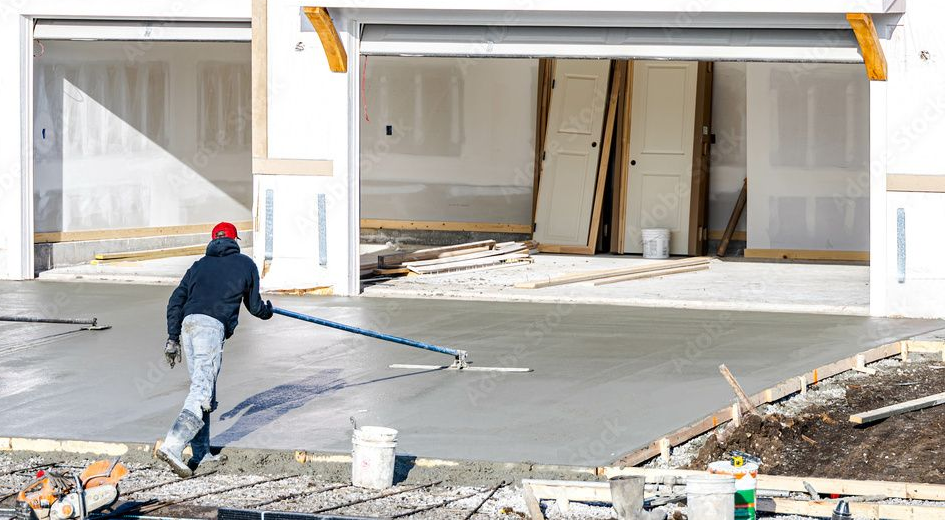
During fall and spring, work can move at a calm, steady pace. Crews place concrete with less stress. They finish surfaces with more care. They monitor curing conditions without battling harsh heat or freezing winds.
Strong concrete comes from good craft. Good craft comes from good conditions.
Long-Term Benefits for Homeowners in Columbia
When concrete cures right, it lasts longer. Cracks stay small. Stress stays low. The surface stays smooth. Homeowners save money over time because fewer repairs become necessary.
Concrete poured in fall or spring often shows:
- better crack resistance
- stronger overall strength
- fewer surface issues
- a smoother finish
- more even color
- better long-term durability
Homeowners also like these seasons because they cause fewer delays. Weather holds steady. Schedules stay on track.
Timing Matters for Strong, Long-Lasting Concrete
Concrete needs the right weather, soil, and moisture conditions to cure well. In Columbia, TN, fall and spring offer the best mix of mild temperatures, steady soil, and predictable rain.
These seasons help concrete set strong and stay strong. They protect the slab from stress that leads to cracking or early wear. Good timing is one of the simplest ways to protect a concrete investment. When the weather supports the process, homeowners get smoother results, fewer repairs, and a longer-lasting surface.
Ready to Plan Your Concrete Project?
If you want to pour a driveway, patio, walkway, or slab in Columbia, the right timing can help the work last longer. Fall and spring offer the best conditions. If you want to talk about a project or get a quote, reach out to Columbia Concrete. Someone will answer your questions and help you understand what to expect.